The National Museum of the Resistance - Milan
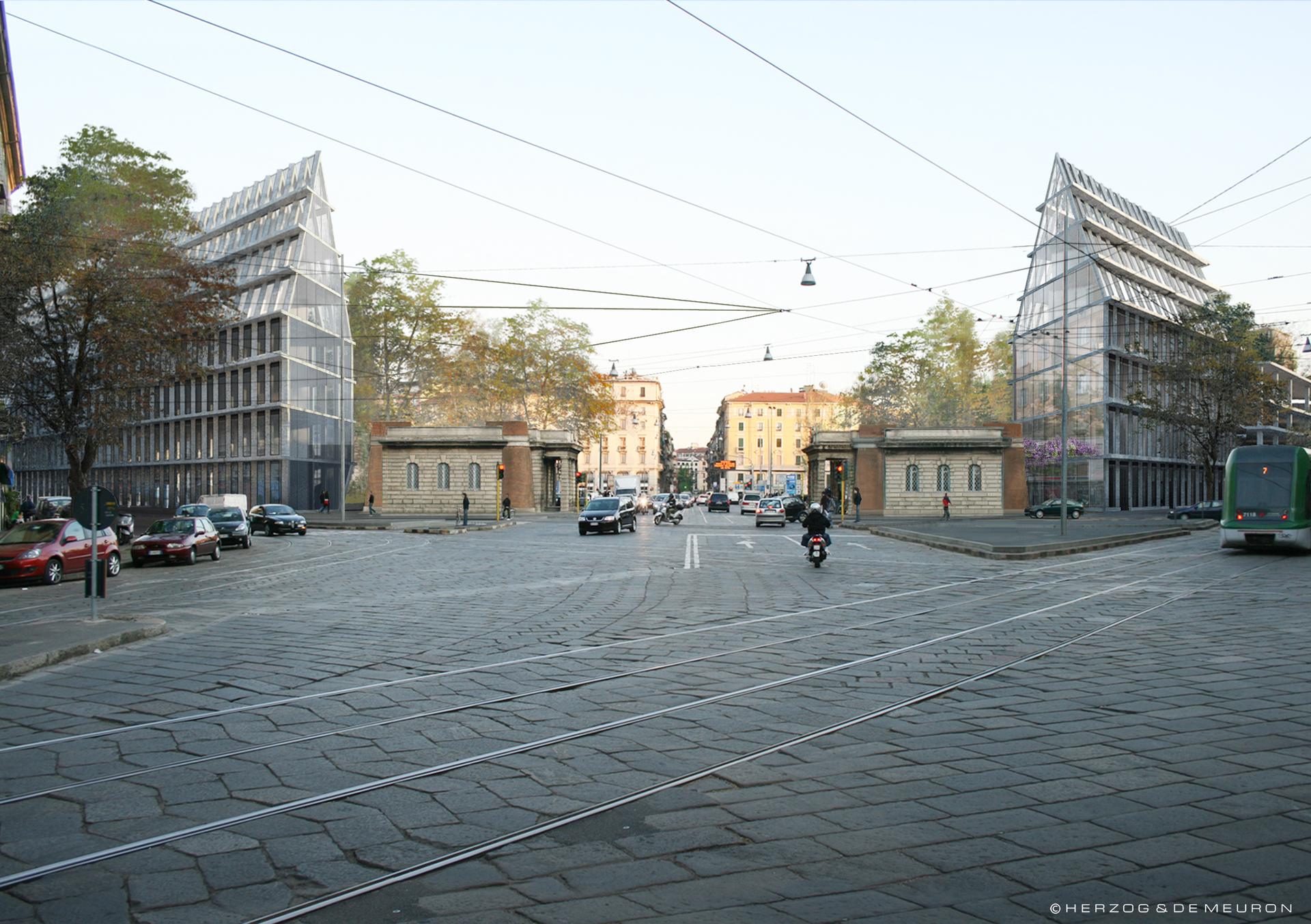
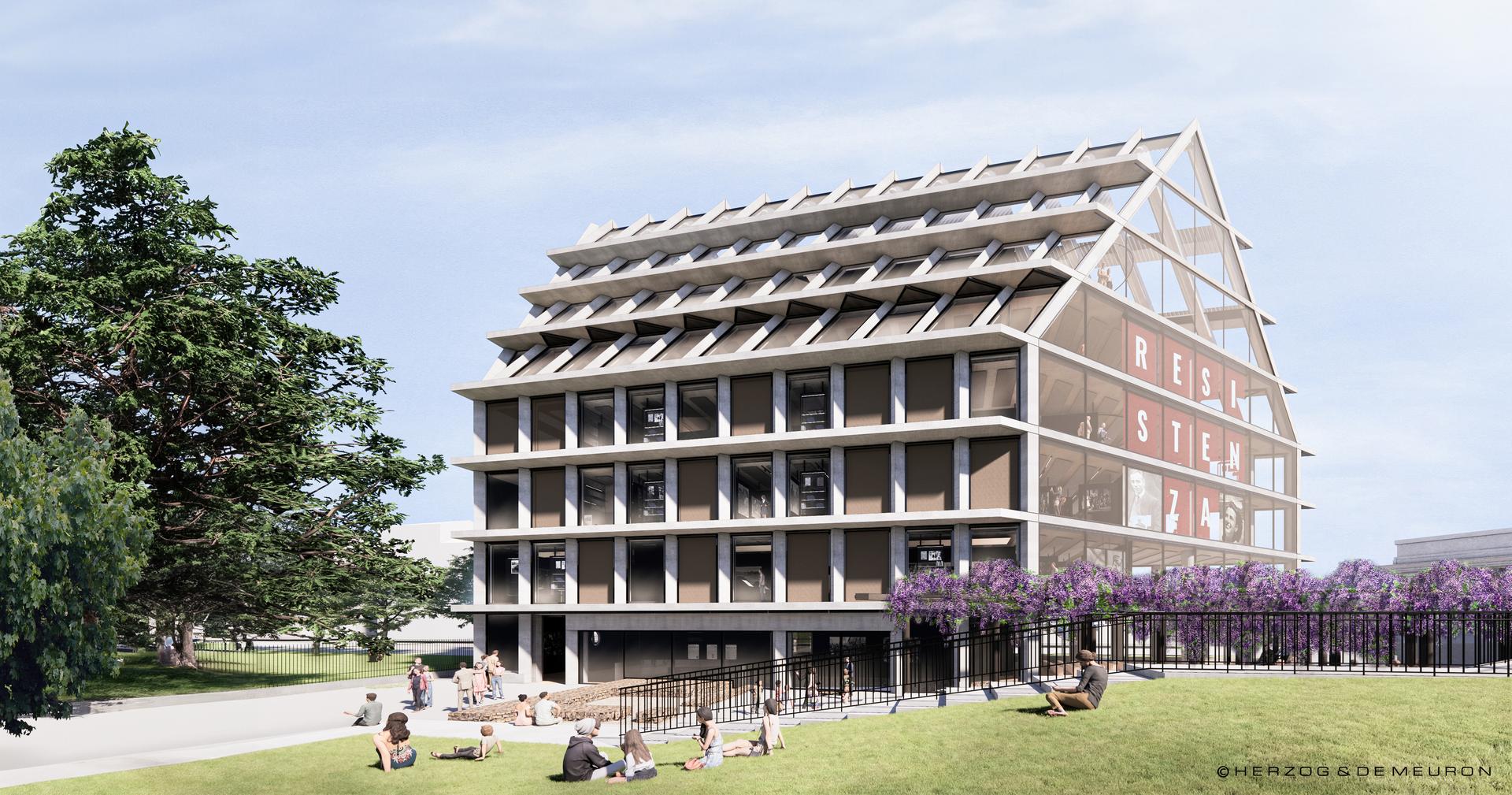
The National Museum of the Resistance project completes the "Porta Volta Fondazione Feltrinelli" architectural complex, designed by Herzog & de Meuron and inaugurated in 2016.
The building consists of three underground levels, constructed within a perimeter of temporary soldier pile walls (berlinesi), and seven levels above ground. The structures are built entirely of reinforced concrete with solid slabs, walls, staircases, and columns (the latter limited to the underground levels) all cast-in-place; conversely, the columns for the above-ground levels are precast.
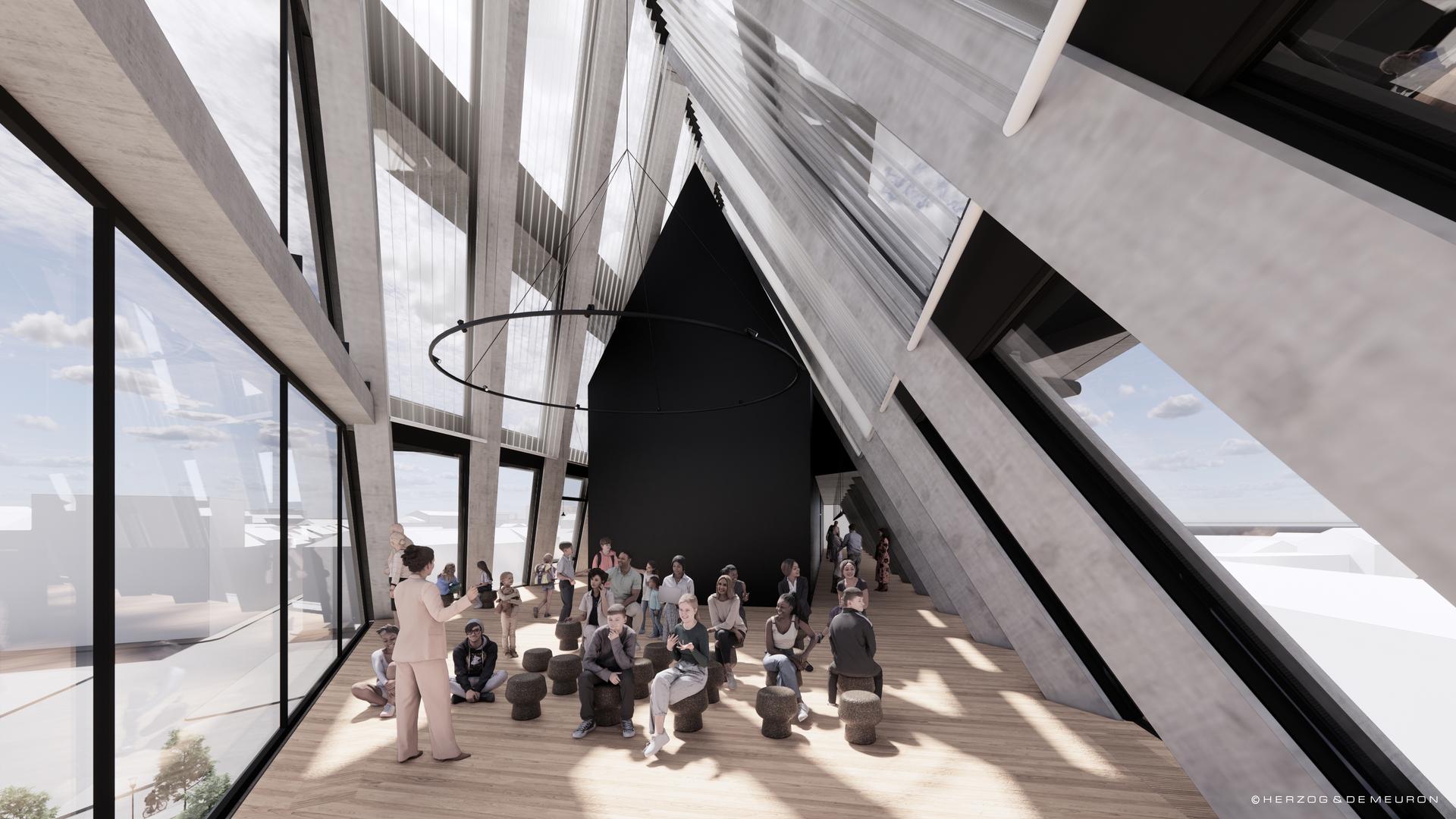
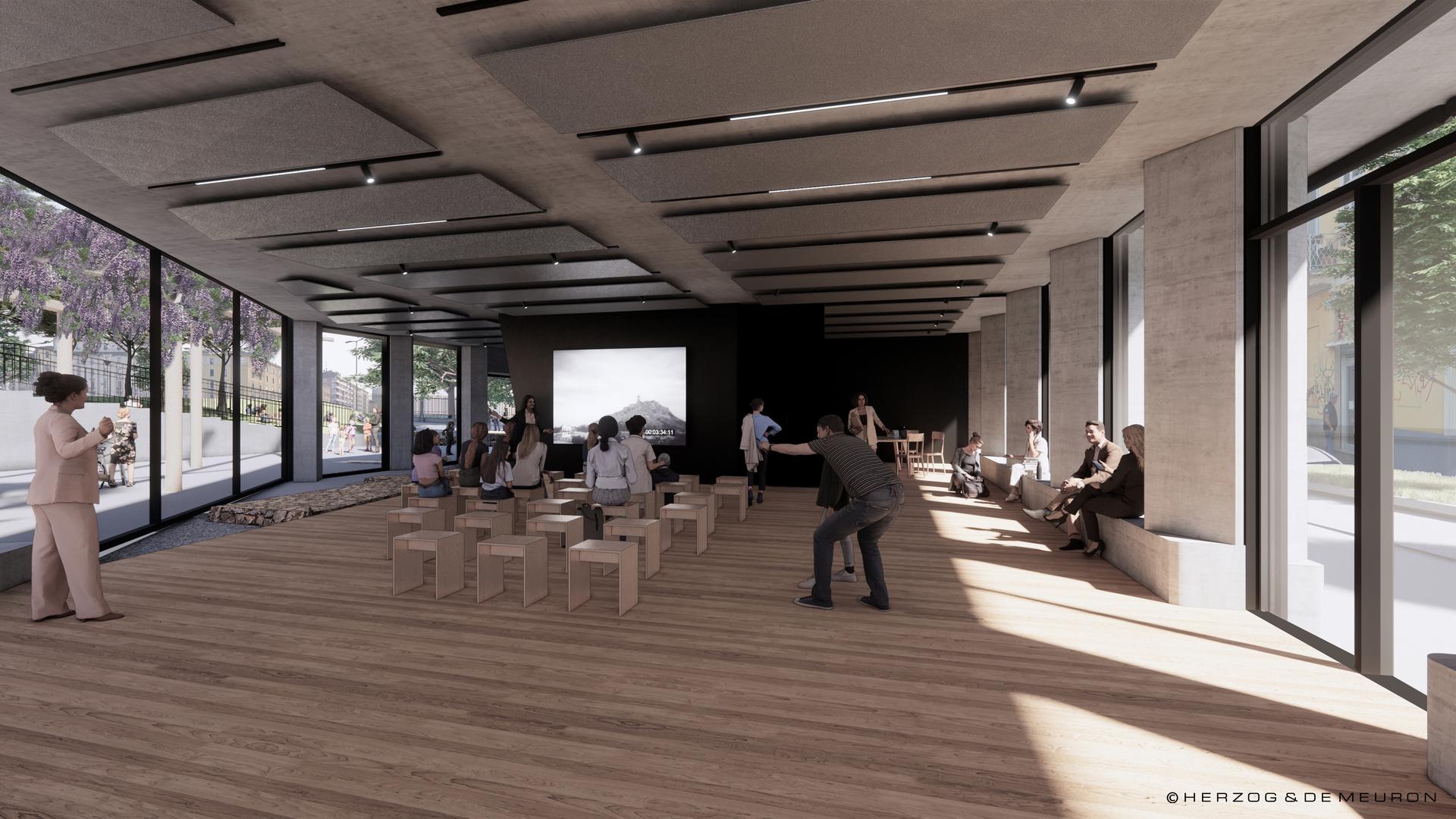
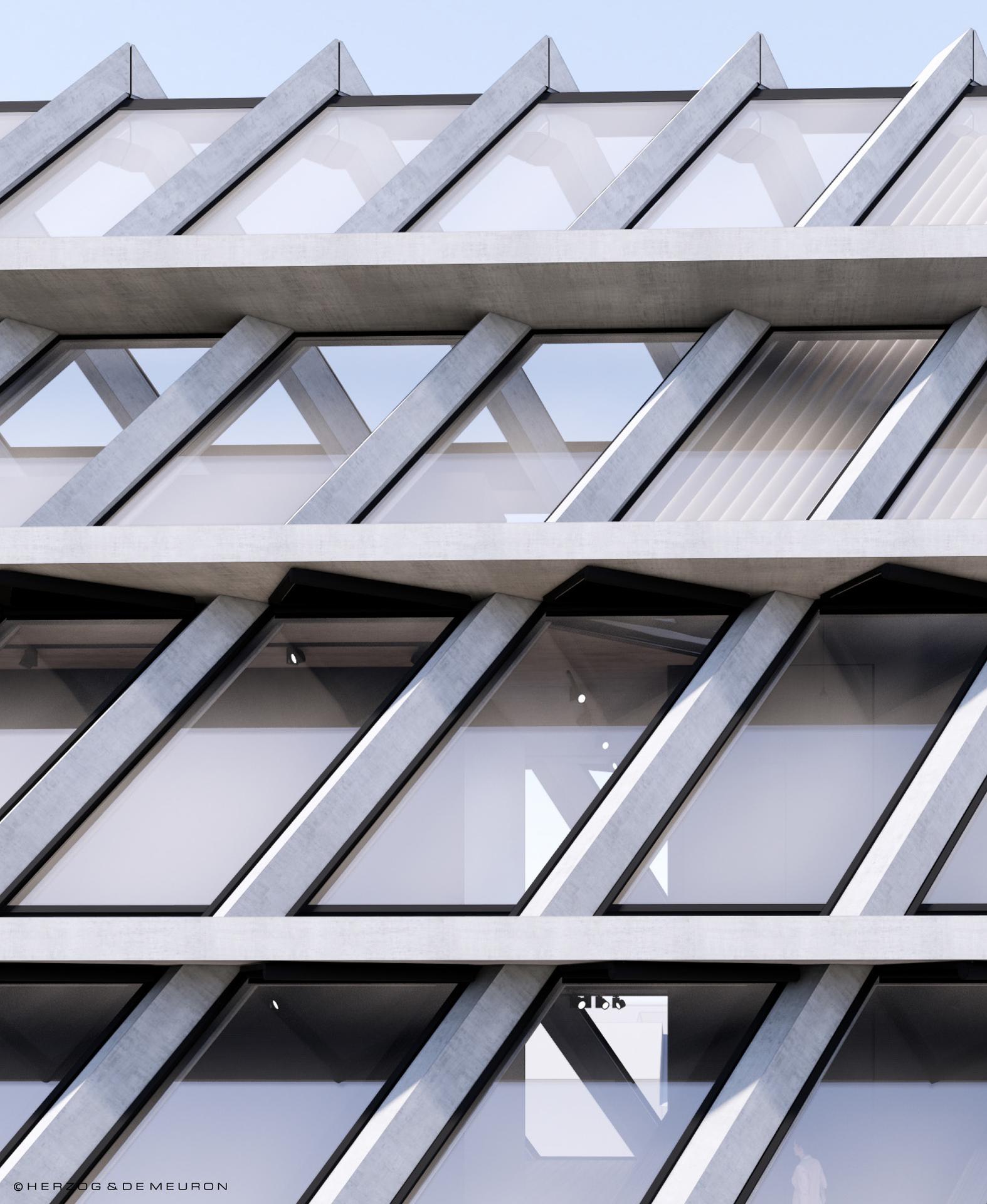
The building's load-bearing skeleton features exposed reinforced concrete with expansive glazed openings, integrated with an external solar shading system to control and regulate solar gain based on climatic conditions.
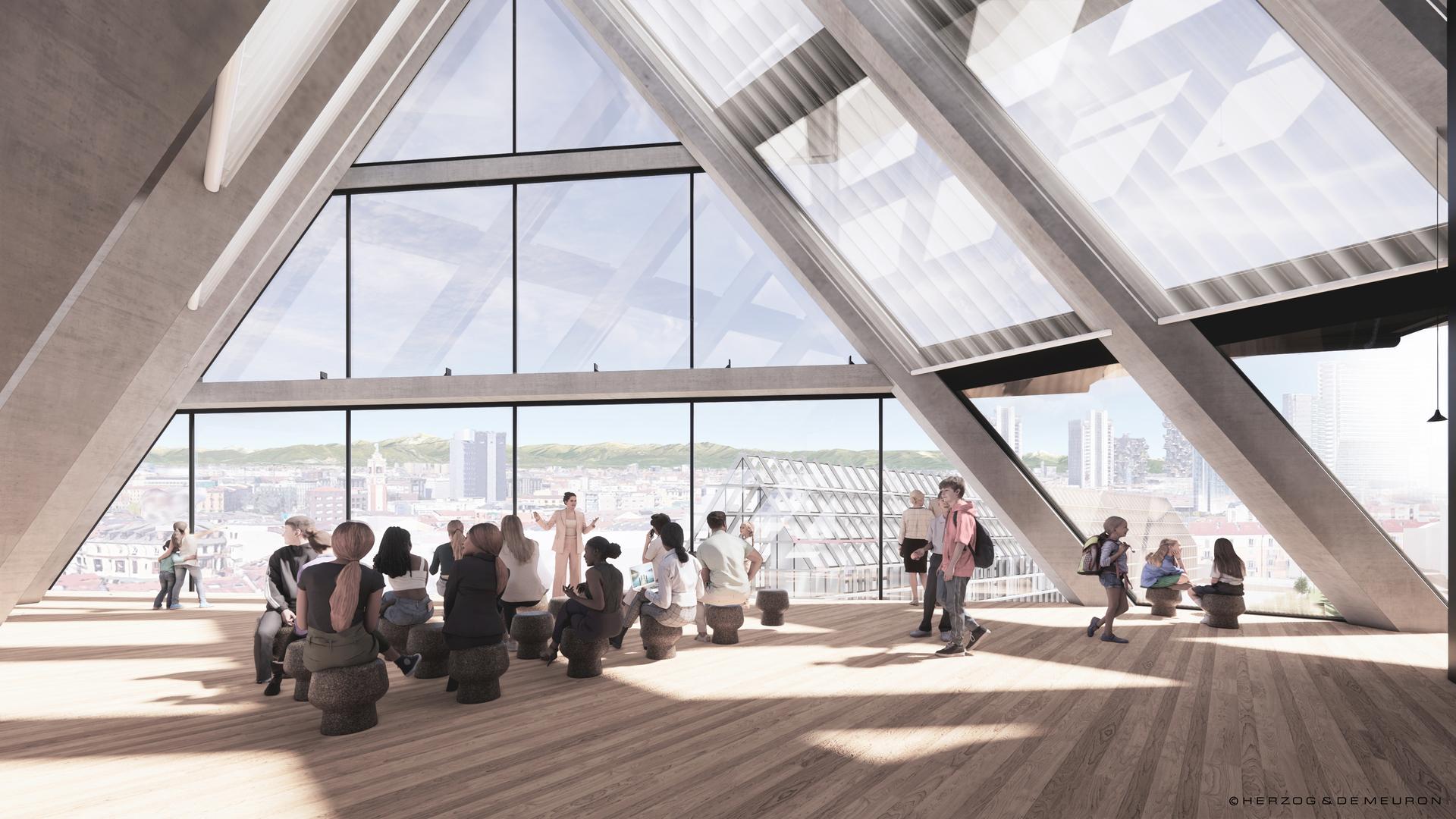
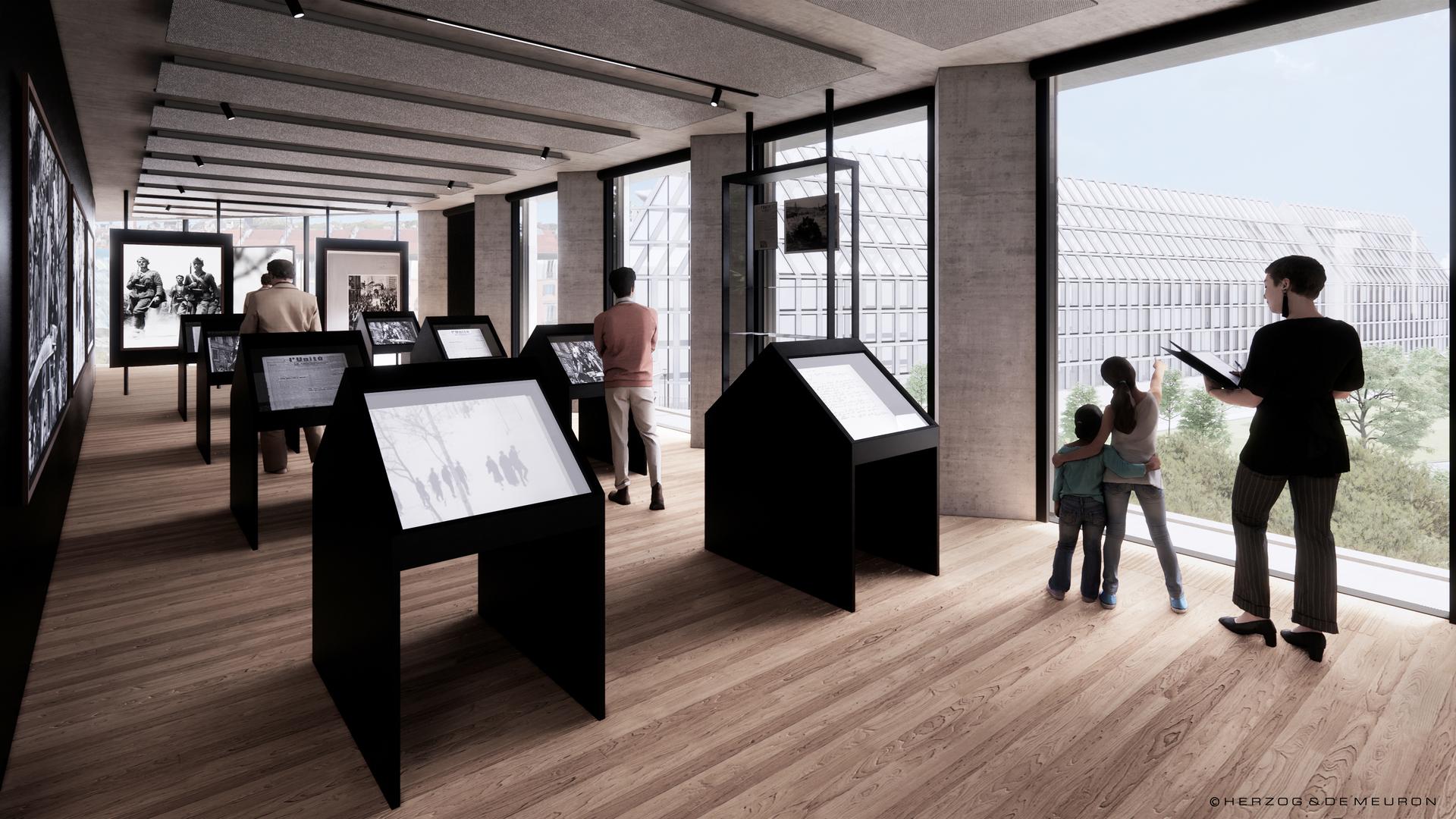
The structure is organized with a ground floor dedicated to services, followed by three additional above-ground levels for museum use. The fourth floor houses the management offices and the consultation room for the Resistance Documentation Center, while the fifth floor is designed to host temporary exhibitions. The top of the building culminates in a triple-height cuspated space, overlooking the city towards Piazza XXV Aprile and the Garibaldi-Repubblica districts.
The first basement level is dedicated to public services, storage, and technical rooms; the second basement level houses the archives and library of the Resistance, established in collaboration with the Istituto Nazionale Ferruccio Parri, while the third basement level is reserved for the building's MEP (mechanical, electrical, and plumbing) systems.
https://museonazionaleresistenza.it/progetto/